Back to latest version
You're viewing a historical snapshot from Mar 15, 2024. This is not the latest version.

Metadata at Mar 15, 2024

Last Updated

Mar 15, 2024

Published Jan 30, 2024

Service

Exchange Online
Microsoft Defender XDR

Tag

Updated message
Feature update
User impact
Admin impact

Platforms

Web

MC711335 - Microsoft Defender for Office 365: Quarantine End User Allow and Block list management

Message Center

What changed since this version

removed textadded text

Updated March 15,June 27, 2024: We have updated the rollout timeline below. Thank you for your patience.

In Microsoft Defender for Office 365, we are updating the way end users allow and block emails in Exchange Online. 

This message is associated with Microsoft 365 Roadmap ID 380185.

When this will happen:

Worldwide: We will begin rolling out late April 2024 (previously late March) and expect to complete by mid-MayJune 2024 (previously late April)mid-May).

GCC, GCC High and DoD: We will begin rolling out mid-Mary 2024 (previously late April) and expect to complete by late MayJune 2024 (previously mid-May)June).

How this will affect your organization:

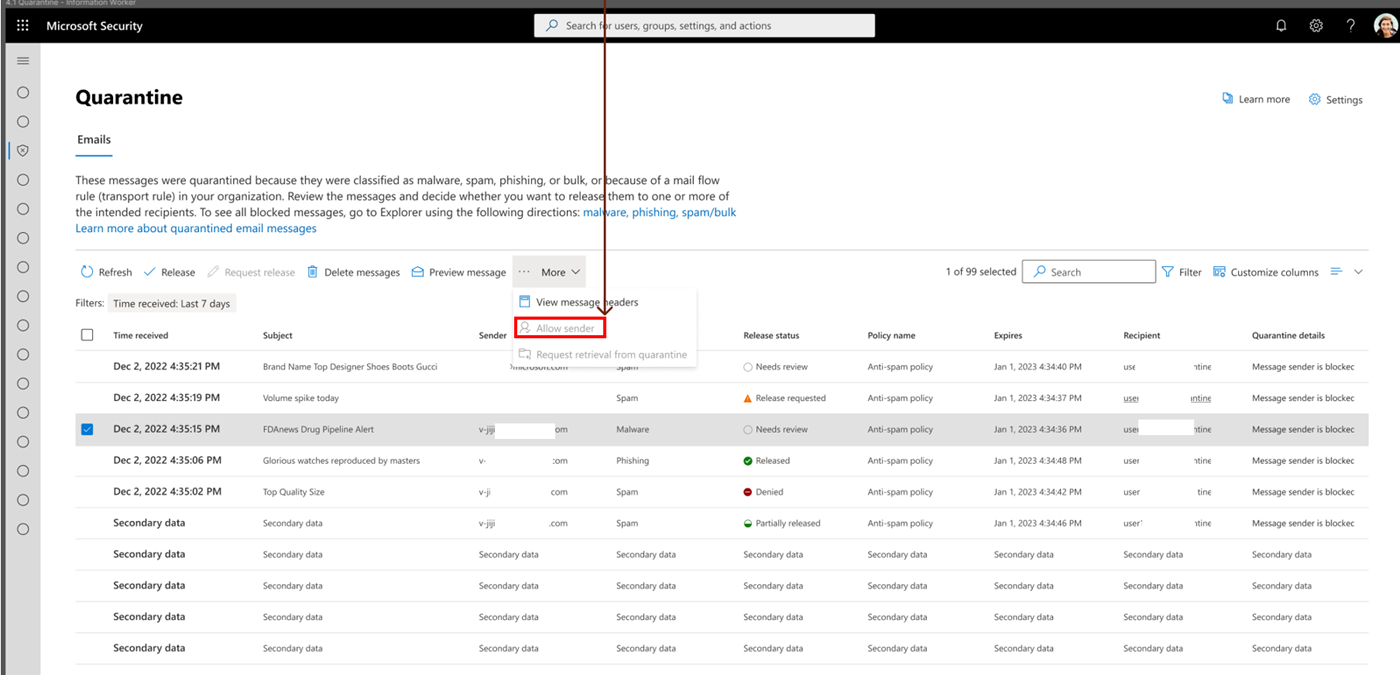
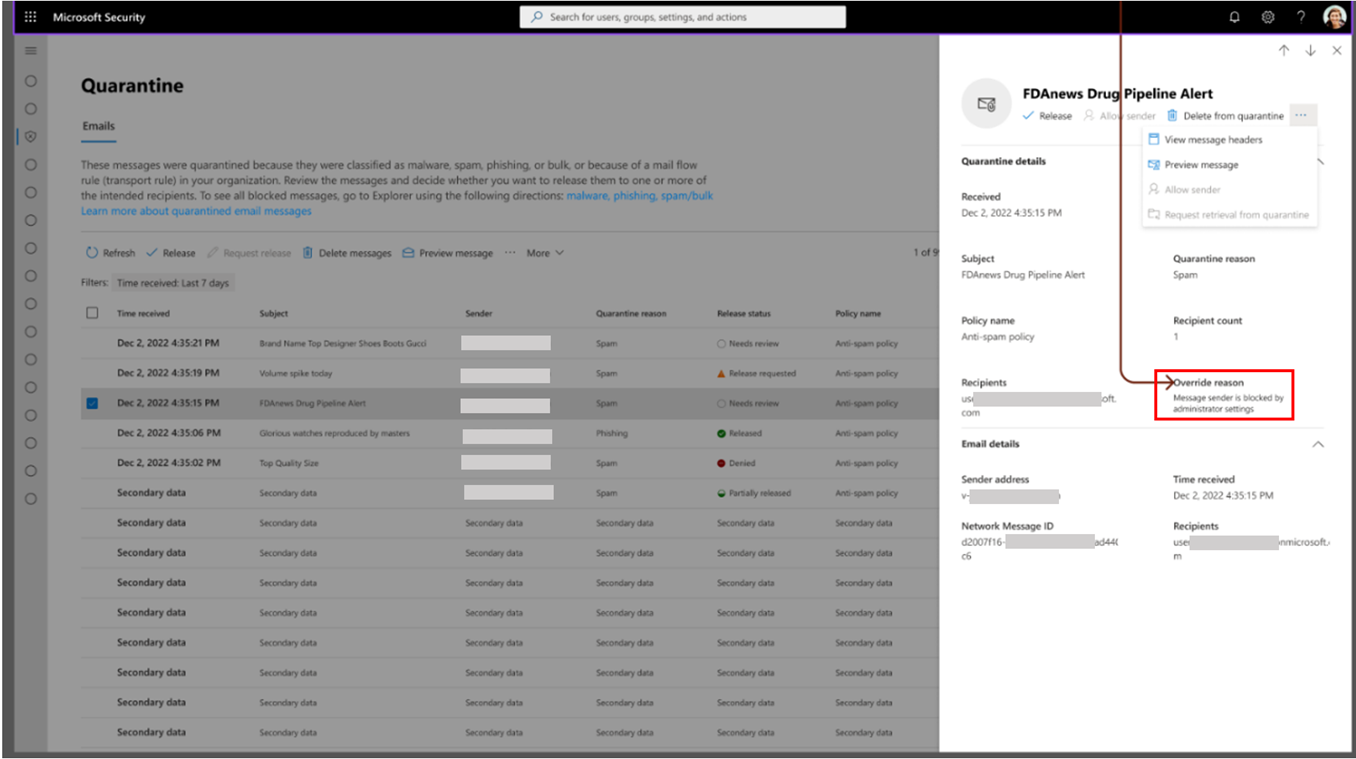
With one click, end users will block emails from unwanted senders and prevent those emails from showing up in their default quarantine view and in their quarantine notifications. If no admin overrides exist, end users will also be able to allow emails from trusted senders and prevent future emails from those senders from going into quarantine. End users can now review admin any override reasons that lead to quarantined emails.

Figure 1: Allow sender action:
User settings

Figure 2: Review admin Override reason:
User settings

Figure 3: Undo Block sender:

User settings

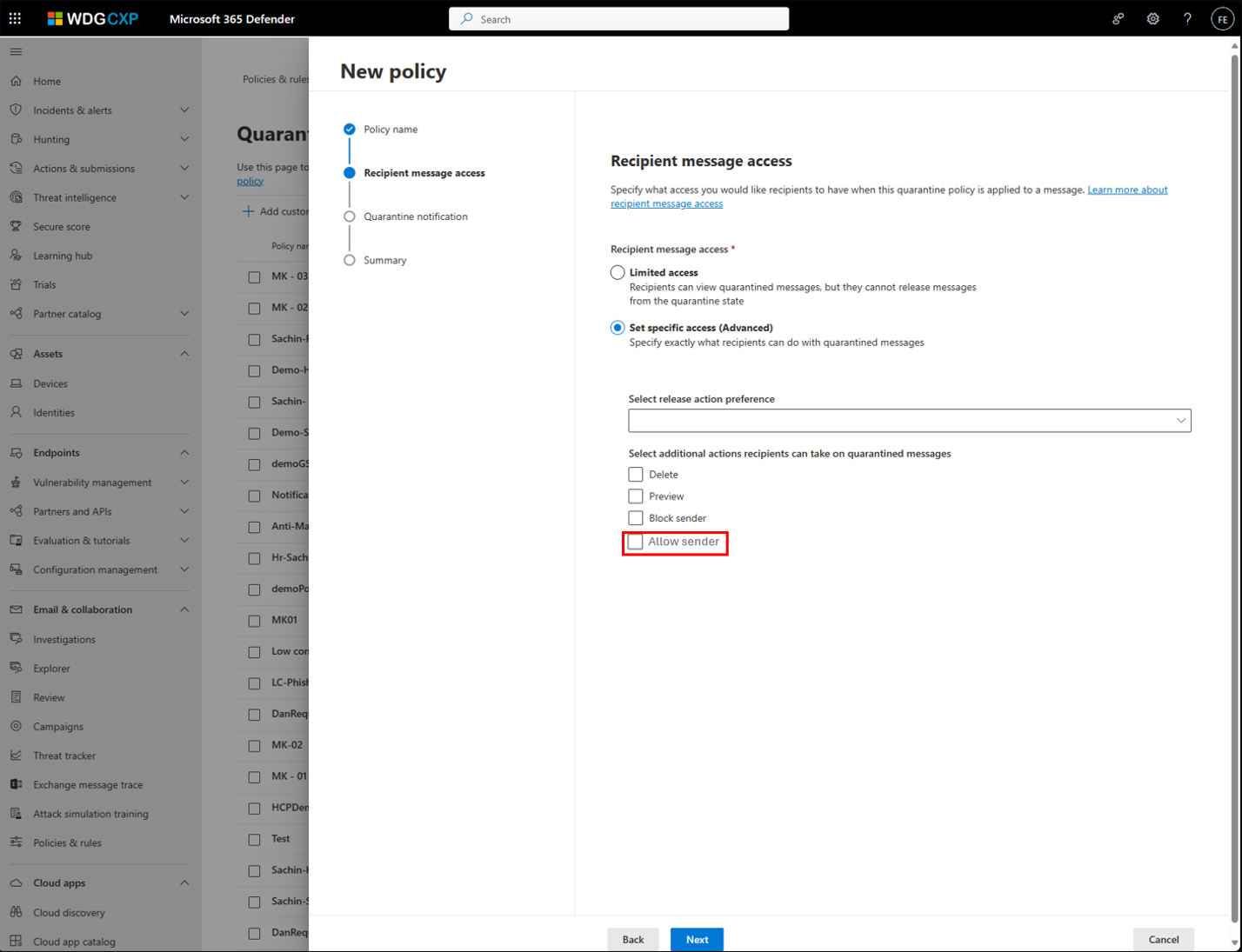
Figure 4: Allow sender in Quarantine policy:
User settings

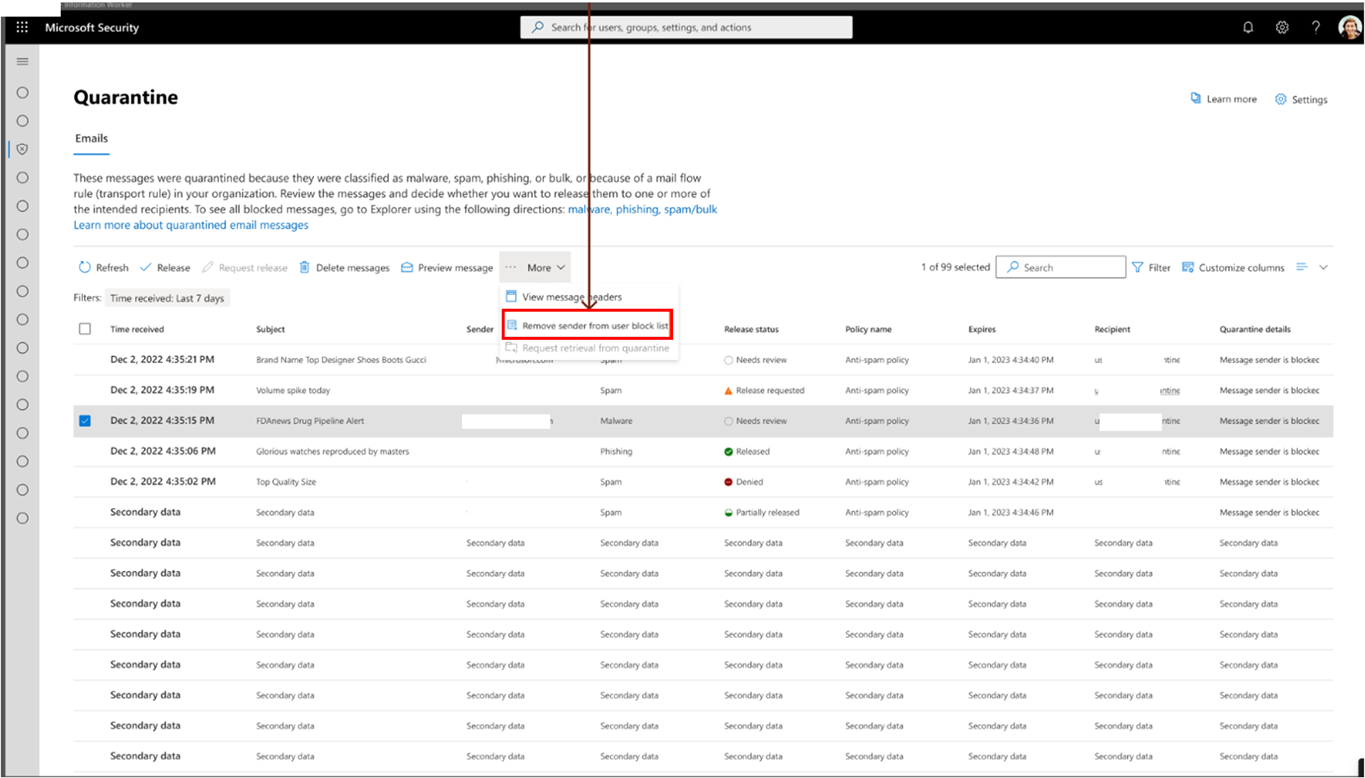
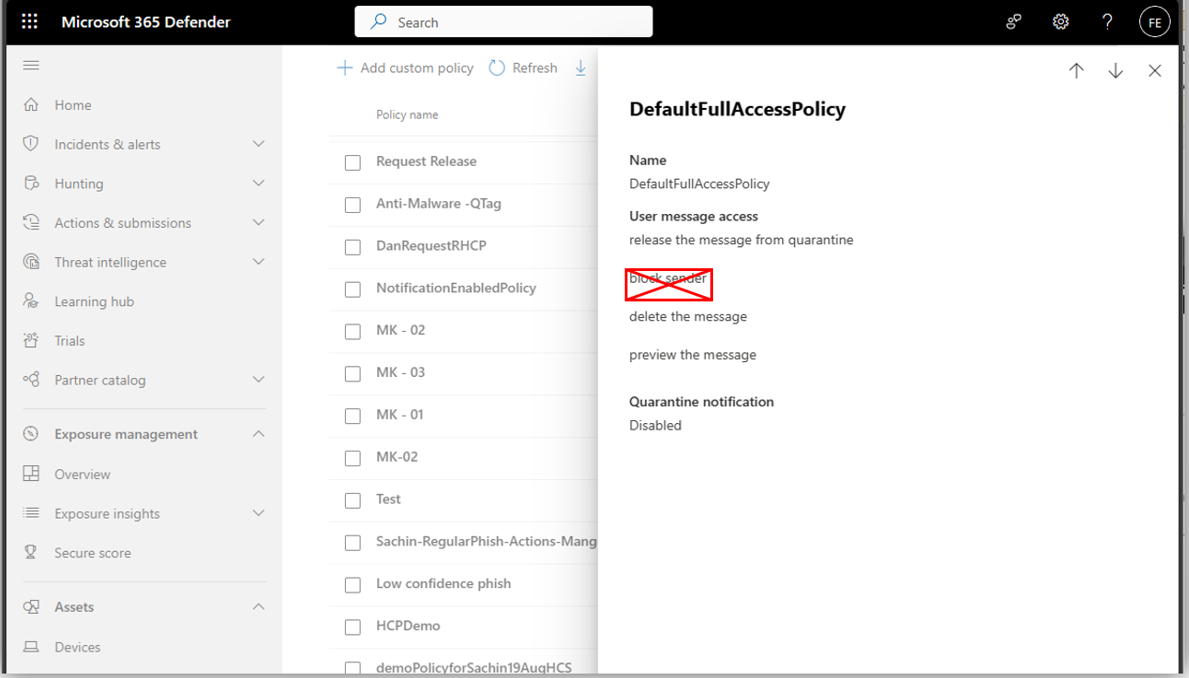
Figure 5: Block sender action eliminated from default Quarantine policies:
User settings

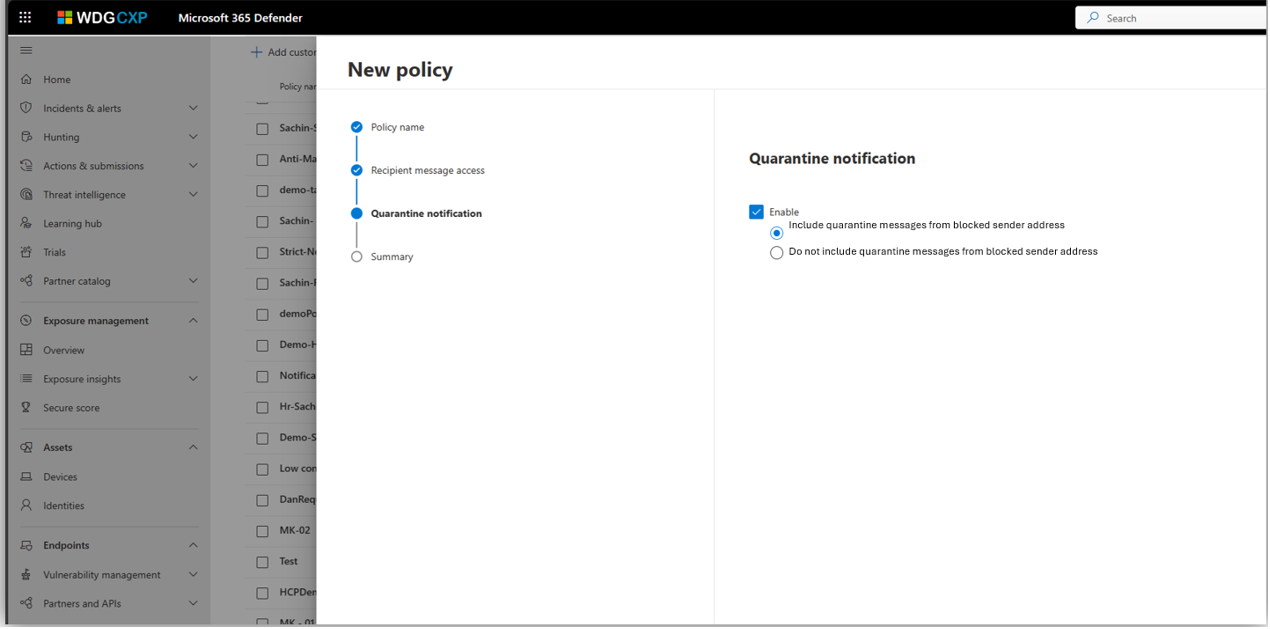
Figure 6: How to include or exclude messages from blocked sender in Quarantine notification:
User settings

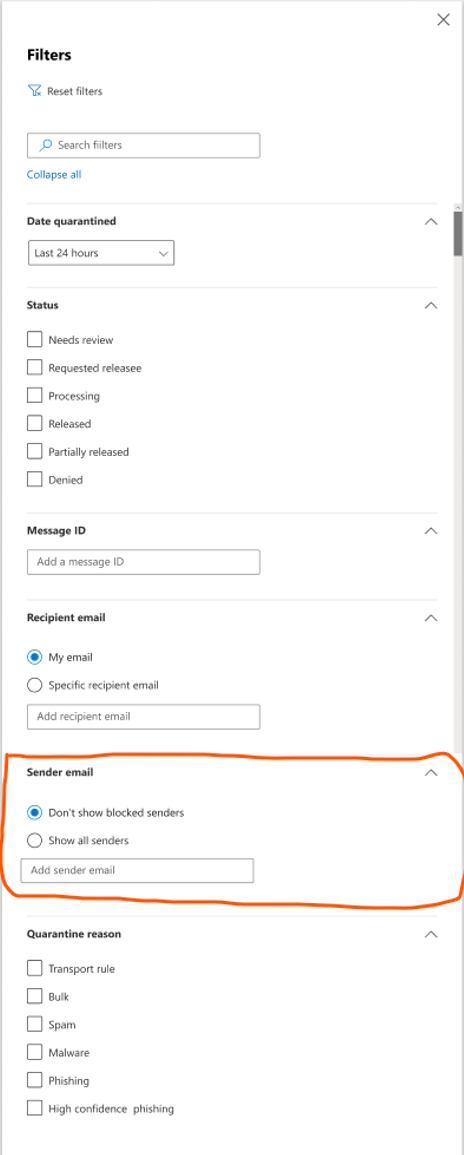
Figure 7: Quarantined messages from blocked senders are excluded from Quarantine view by default:
User settings

What you need to do to prepare:

No action is needed to prepare for this change. You may want to notify your users about this change and update any relevant documentation as appropriate.

Snapshot from Mar 15, 2024

Updated March 15, 2024: We have updated the rollout timeline below. Thank you for your patience.

In Microsoft Defender for Office 365, we are updating the way end users allow and block emails in Exchange Online. 

This message is associated with Microsoft 365 Roadmap ID 380185.

When this will happen:

Worldwide: We will begin rolling out late April 2024 (previously late March) and expect to complete by mid-May 2024 (previously late April).

GCC, GCC High and DoD: We will begin rolling out mid-Mary 2024 (previously late April) and expect to complete by late May 2024 (previously mid-May).

How this will affect your organization:

With one click, end users will block emails from unwanted senders and prevent those emails from showing up in their default quarantine view and in their quarantine notifications. If no admin overrides exist, end users will also be able to allow emails from trusted senders and prevent future emails from those senders from going into quarantine. End users can now review admin any override reasons that lead to quarantined emails.

Figure 1: Allow sender action:

User settings

Figure 2: Review admin Override reason:

User settings

Figure 3: Undo Block sender:

User settings

Figure 4: Allow sender in Quarantine policy:

User settings

Figure 5: Block sender action eliminated from default Quarantine policies:

User settings

Figure 6: How to include or exclude messages from blocked sender in Quarantine notification:

User settings

Figure 7: Quarantined messages from blocked senders are excluded from Quarantine view by default:

User settings

What you need to do to prepare:

No action is needed to prepare for this change. You may want to notify your users about this change and update any relevant documentation as appropriate.